What Is the Lead Time for Artificial Boxwood?
Standard artificial boxwood lead time is 7–15 days after deposit and sample approval. A genuinely custom order — a new foliage mould, a non-standard panel format or a bespoke colour match — takes 20–45 days. Panels come in 50×50, 50×100 and 100×100 cm, samples start at 1 piece, and sea-freight transit is added on top of production.
September 30, 2026 · Buying & Sourcing · 8 min read · By Everflorae Editorial Team
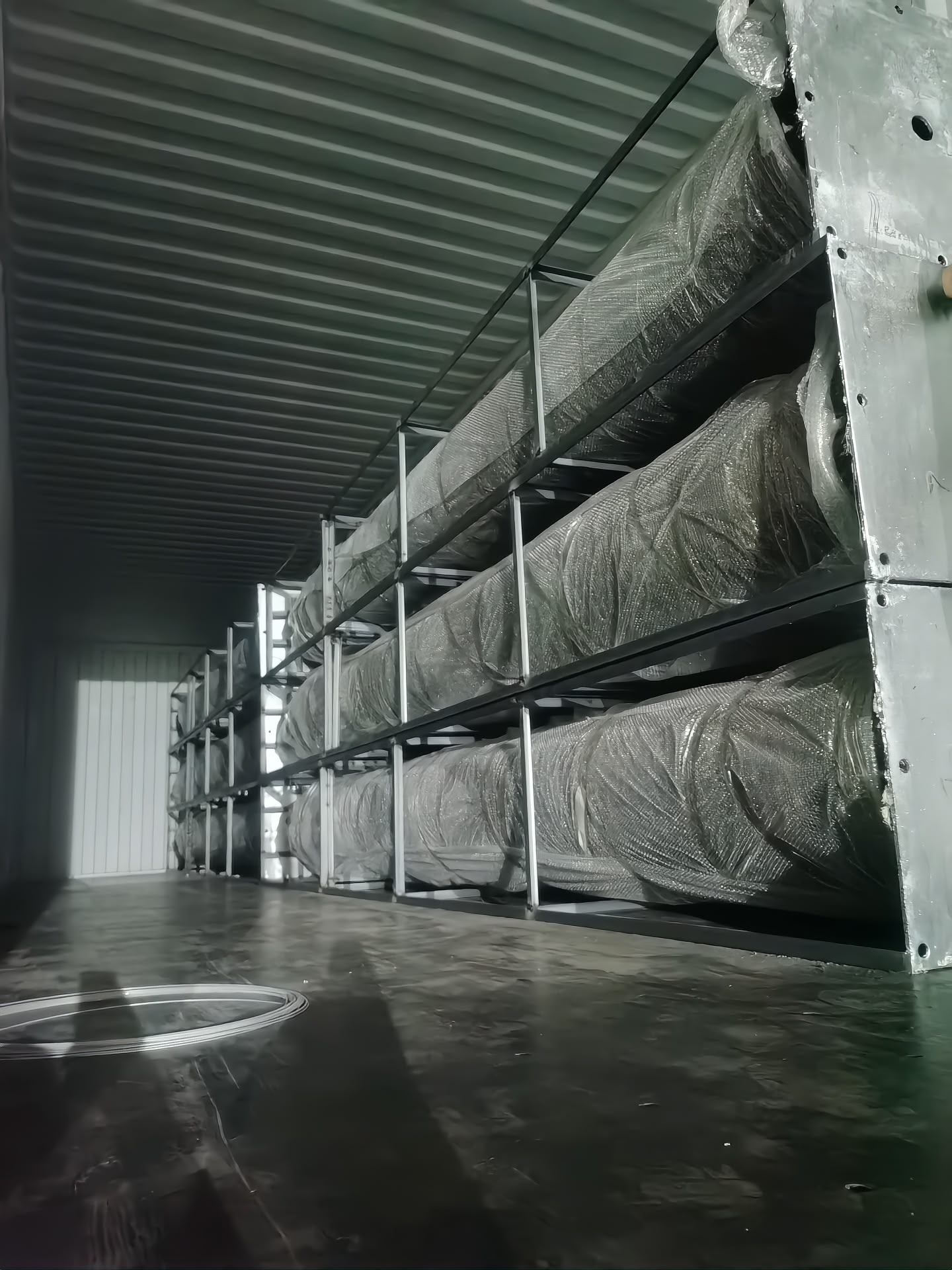
- Standard boxwood ships in 7–15 days after deposit and sample approval; custom runs take 20–45 days.
- The clock starts at sample approval, not at deposit — and production time is separate from sea-freight transit.
- Standard panel formats are 50×50, 50×100 and 100×100 cm; a non-standard format is what pushes an order into the custom bracket.
- Sampling starts at 1 piece, and an approved sample shortens the run because production is checked against it rather than re-designed.
- Once installed, boxwood is a dust-and-vacuum product; the maintenance guide below covers indoor and outdoor care.
What is the lead time for artificial boxwood?
Lead time for artificial boxwood splits into two clearly different numbers, and most quoting confusion comes from mixing them up. If the foliage mould and the panel format already exist — a repeat order or a standard catalogue panel — production ships in 7–15 days after deposit and sample approval. If the order is genuinely custom — a new foliage mould, a non-standard panel format, a bespoke colour match or a branded backing board — the mould or colour batch has to be made first, which puts the run at 20–45 days.
Everything else in this guide follows from that first fork. Buyers who ask "how long?" and get a single number back are usually talking to a supplier who has not yet established which of the two situations applies to their order. The useful question is not "what is your lead time" but "does this exact panel already exist in your mould library, and if not, how long does the tooling add?"
Two clocks: production time and delivery time
The production clock is the 7–15 or 20–45 days quoted above. It measures the time from approved deposit and sample to the order being packed and ready to load. It does not include anything that happens after the factory gate.
The delivery clock is everything else: booking a sailing, the ocean transit itself, port handling at both ends, and inland delivery to your site. Sea freight varies by destination and by sailing schedule, and it is added on top of production rather than folded into it. Two buyers ordering identical panels on the same day can take delivery weeks apart simply because one is two weeks closer to a departure port.
This is why the honest way to plan a project is to ask for two dates: the factory ready-to-ship date, and an estimated arrival at your port. If your installation date is fixed — a hotel opening, a retail fit-out handover — say so at quotation stage. It is far easier to reserve production capacity against a known date than to recover a missed one.
What pushes an order into the 20–45 day bracket
Boxwood is a moulded product, and the mould is the bottleneck. Anything that requires new tooling or a new colour batch adds time before a single panel is made. The common triggers are:
- A non-standard panel format. The 50×50, 50×100 and 100×100 cm formats are standard; a different size needs its own backing board and foliage mat.
- A bespoke colour match. Foliage is produced in batches, and a colour mixed for your project has to be approved and run before bulk production starts.
- A new foliage mould. A different leaf shape or a different density profile is a tooling job, not a catalogue pick.
- A branded or unusual backing board. Rigid boards and custom edge profiles are built to order.
None of these are problems — they are simply the difference between ordering something we already make and ordering something we make for you. The mistake is to assume a custom panel will ship on the standard clock, then discover the tooling lead only when the production date slips. If your design calls for something outside the standard formats, flag it at the first conversation, not after the deposit.
Panel formats and how they change the schedule
Standard boxwood panels are designed to butt-join, so the order follows directly from the area you need to cover. The arithmetic is simple and worth writing into the order confirmation so both sides check the same number:
- 50×50 cm panel = 0.25 m², so 4 panels per square metre
- 50×100 cm panel = 0.5 m², so 2 panels per square metre
- 100×100 cm panel = 1.0 m², so 1 panel per square metre
Format matters to lead time in one specific way: the standard formats are the ones whose moulds already exist, so they sit on the shortest clock. A larger panel covers area faster on site but packs less efficiently, and a format we do not list is a tooling job. For a fixed wall area, the practical choice is usually between the three standard sizes rather than a bespoke one. Our artificial boxwood MOQ guide works through the coverage maths in more detail, and the panels themselves sit in the green walls & hedges range.
Sampling: one piece, and why it shortens the run
Sampling is deliberately low-friction: samples start at 1 piece. A single panel tells you more than any catalogue photograph, and — importantly for lead time — an approved sample is the reference the production run is checked against. When the sample is signed off, the run does not need to be re-designed; it only has to be made to match.
What to check when the sample arrives: foliage density from the side, not head-on; colour under natural light, because boxwood lives or dies on whether the green reads as a plant or a plastic sheet; whether the backing board is flat and the edge is finished; how the foliage behaves when you cut a corner; and how the panel fixes to your substrate. Approve on those points and the bulk run has a clear target. Skip them and you risk a rejection cycle that costs far more time than the sample itself.
Freight and packing — the part a lead-time quote often omits
Panels ship flat in reinforced cartons, boxwood topiary ships individually wrapped, and hedge rolls ship coiled. Because the three pack differently, a mixed container is loaded by layer and by weight rather than by SKU order — heavy topiary bases low, flat panel cartons above, rolls in the remaining void. If you are buying a mixed order, ask for the mixed-order loading plan as well as the production date, because the loading plan is what confirms how much of a container your order actually occupies.
Packing volume is the cost driver buyers underestimate most, and it is also a lead-time factor: a shipment that fills a container cleanly can be booked on a normal sailing, while an awkward part-load may wait for consolidation. A denser, better-packing panel is sometimes the faster and cheaper choice even at a higher unit specification. For the outdoor specification in detail — UV grade, colour-fastness and how weathering actually works — see our UV-resistant outdoor hedge guide.
An artificial boxwood maintenance guide for commercial installs
Once installed, artificial boxwood is among the lowest-maintenance greenery products there is — no watering, no sunlight, no soil — but "no maintenance" is not the same as "no care". This short maintenance guide covers what actually matters in a commercial setting.
Indoor boxwood walls and planters. Dust is the main enemy, because dust dulls the green and makes foliage read as plastic. A soft brush or a vacuum on low suction with a brush attachment, run across the panels every few weeks, keeps the colour reading correctly. For deeper cleaning, wipe with a damp cloth and a mild soap solution, then let the panel air-dry fully before it goes back on the wall. Never use solvents or abrasive cleaners on moulded foliage.
Outdoor boxwood and hedges. Rain does most of the cleaning, but coastal and dusty sites benefit from an occasional rinse with a hose on a low setting. What shortens an outdoor panel's life is not dirt but UV: outdoors, specify UV-stabilised foliage, which carries a 3-year colour-fastness warranty as standard, or up to 5 years on premium outdoor grade. Where a building interior requires fire compliance, fire-retardant treatment tested to NFPA 701, BS 5867 or EN 13501-1 is a separate specification from UV grade — specify both where both apply, and request the test documents against your exact order specification rather than after the container has sailed. Our compliance page sets out what documentation is available.
Planning a realistic schedule
Put the two clocks side by side and the plan writes itself. Start from your installation date and work backwards: allow for sea-freight transit and port handling, then the production window (7–15 or 20–45 days), then the sample approval step, then the deposit. Two dates are worth pinning down before you approve anything: the date sample approval is recorded, because the production clock starts there; and whether your required delivery falls in a peak window such as the run-up to a major trade exhibition, when capacity books earlier.
If your project includes custom panels, colours or backing boards, the custom window applies and should be quoted as such. Custom dimensions, colours and branding are handled on the custom & OEM page, and the wider production context — tooling, workshop, showroom — is described on the factory page. For buyers specifying mixed greenery alongside boxwood, the floral and foliage lines sit under artificial flowers & floral.
Frequently asked questions
What is the lead time for artificial boxwood?
How much does artificial boxwood cost?
How long does shipping take on top of production?
Is artificial boxwood suitable for outdoor use?
References & standards
Further reading on the materials, weathering and fire-testing frameworks referenced in this guide:
- ASTM International — weathering test methods (G154/G155)
- ISO — plastics exposure to laboratory light sources (ISO 4892)
- NFPA — fire tests for flame propagation of textiles and films (NFPA 701)
- CEN — European reaction-to-fire standards (EN 13501-1)
Related pages
Need boxwood on a fixed date?
Send the wall area or panel count, the foliage grade and your installation date, and we will reply with panel formats, the factory ready-to-ship date and the sampling options — usually within 24 hours on business days.