How Are Artificial Trees Shipped in a Container?
Artificial trees are shipped in 20-ft or 40-ft ocean containers, either disassembled or packed in protective cartons, with steel or fibreglass (FRP) trunks that set the weight per unit. In-stock catalogue heights up to 6 m pack and load in 7–15 days; custom sizes from 1–15 m with fire-rated or UV-stabilised foliage run 20–45 days. MOQ is 1 piece, so a sample ships before the volume order.
November 2, 2026 · Logistics & Procurement · 9 min read · By Everflorae Editorial Team

- Artificial tree shipping in a container uses 20-ft or 40-ft ocean boxes; catalogue heights up to 6 m pack in 7–15 days, custom 1–15 m in 20–45 days.
- Trunk material — FRP vs steel — is the biggest driver of per-unit weight, so it moves both freight cost and how many trees fit in one container.
- MOQ is 1 piece, so a sample can ship before the volume order; carton dimensions and gross weight are stated up front for an accurate freight comparison.
- Crowns and foliage ship protected by custom cartons and internal bracing, and fire-rated or UV-stabilised grades are documented to NFPA 701, BS 5867 or EN 13501-1.
How are artificial trees packed for container shipping?
Artificial trees are made to order, and packing is part of the same production plan rather than an afterthought. Smaller catalogue forms — up to about 6 m — are finished, foliage-set and slipped into a single protective carton with internal bracing so the crown keeps its shape. Taller or custom 1–15 m forms are usually shipped partly disassembled: the trunk armature and the foliage sections travel in separate cartons, and the on-site team bolts them together using the assembly drawing we supply. The whole point of this approach is to turn a 15 m tree into cartons that stack and ratchet safely inside a standard container. The artificial trees range shows where the one-carton catalogue line ends and the bolt-together custom line begins.
Packing is also where fire-rated or UV-stabilised documentation is locked to the order. If your project calls for fire-rated foliage, the carton is labelled to the same certificate (NFPA 701, BS 5867 or EN 13501-1) that the test report carries, so the compliance file travels with the goods. The fire and UV standards page explains which certificate your installation setting requires.
What container sizes are used, and how many trees fit in one?
Most orders leave Guangzhou in a 20-ft or a 40-ft high-cube container. A 20-ft box suits a compact hotel-lobby or restaurant order where you want one shipment, one customs entry and a fast local delivery. A 40-ft high-cube carries far more volume for essentially the same ocean freight, which is why large resort, mall or airport programmes consolidate into it. The exact count depends on carton volume and gross weight, not just tree height — a 6 m catalogue palm in a single carton takes less room than a 15 m custom form shipped in several cartons. Because we state carton dimensions and weight on the quotation, you can plan the container mix before production starts instead of discovering it at the dock.
For context on the customs side, the same logic applies across the catalogue: the palm tree lead-time guide covers how a 6 m form is boxed and weighed, and the packaging plan there is the same plan used for any 1–15 m tree in this range.
How do trunk materials — FRP vs steel — affect shipping?
The artificial tree trunk material FRP vs steel choice is the single biggest driver of shipping weight. A steel-core trunk is heavy and very rigid: it needs less internal bracing, but the extra gross weight raises the freight per unit and can cap how many trees fit before the container hits its weight limit. An FRP (fibreglass) trunk is lighter for the same height and crown, which cuts per-unit shipping cost and makes the cartons easier to handle, while still carrying the foliage load for indoor and many outdoor settings. For tall 1–15 m forms the weight saving of FRP often pays for itself across a consolidated container, which is why a large share of export orders specify it. The deeper comparison — bark finish, repairability and load rating — is on the trunk materials comparison page.

What is the lead time from order to container loading?
Buyers sometimes read “shipping” as only the ocean leg, which is where schedules slip. The calendar runs in two parts. First, the factory lead time: 7–15 days for in-stock and catalogue heights up to 6 m, and 20–45 days for custom sizes from 1–15 m with fire-rated or UV-stabilised foliage and project volumes. A 3D render is approved before welding, so the form, finish and schedule are locked together rather than negotiated after production starts. Second, the ocean transit: roughly 15–35 days from the Guangzhou port depending on route — about 15–20 days to the US West Coast, 25–35 days to Europe or the US East Coast — plus 3–7 days of export clearance and port handling before sailing. The manufacturing process page shows the armature, foliage, QC and packing stages in order so the quoted days map to visible work.
How are crowns and foliage protected in transit?
The crown is the part buyers worry about, and it is the part we pack hardest. Each foliage section is wrapped in protective film and set into a carton with internal struts so branches cannot fold or rub during a 30-day ocean crossing. For sculpted or multi-trunk forms the crown travels in its own carton, separate from the trunk, which both protects the shape and lets the cartons nest efficiently. On arrival the team reverses the packing using the assembly drawing and the labelled cartons, so a 15 m feature tree goes from dock to installed in the same afternoon it is uncrated. Because there is no living material, there is no wilting, no phytosanitary inspection of the greenery, and no climate control surcharge on the container.
What documents and compliance does a container shipment need?
A commercial container shipment is more than cartons. You receive a proforma and commercial invoice, a packing list with per-carton dimensions and weights, a bill of lading, and — for most destinations — a certificate of origin. If the foliage is fire-rated, the test report to NFPA 701, BS 5867 or EN 13501-1 travels with the order so your landlord, casino or hotel fire reviewer can file it. Because the goods are artificial, there is no live-plant phytosanitary certificate to chase, which removes one of the most common delays on live-greenery imports. Send the destination port, incoterm (FOB, CIF or DDP) and required certificates in the first enquiry and the freight and paperwork are quoted on the same sheet as the product.
Frequently asked questions
How are artificial trees shipped in a container?
How much does it cost to ship artificial trees in a container?
How long does container shipping take from China to my port?
Is an FRP or steel trunk better for shipping?
Sources & attributed quotations
Named sources behind this guide; the quotations are verbatim from the issuing bodies, with links to the official pages.
“This standard establishes test methods to assess the propagation of flame of various textiles and films under specified fire test conditions.”
— NFPA (National Fire Protection Association), NFPA 701, Standard Methods of Fire Tests for Flame Propagation of Textiles and Films, official source
“This practice covers the required apparatus, procedure, and performance requirements for using fluorescent UV light and water apparatus to expose materials to simulated sunlight and rain.”
— ASTM International, ASTM G154-23, Standard Practice for Operating Fluorescent UV Lamp Apparatus for Exposure of Materials, official source
- NFPA — NFPA 701, Standard Methods of Fire Tests for Flame Propagation of Textiles and Films
- ASTM International — ASTM G154-23, operating fluorescent UV lamp apparatus for exposure of materials
- Everflorae — Fire, UV & Compliance Standards: NFPA 701, BS 5867, EN 13501-1
- Everflorae — Artificial Trees: size range, trunk materials and packing specifications
Related pages
Related project cases
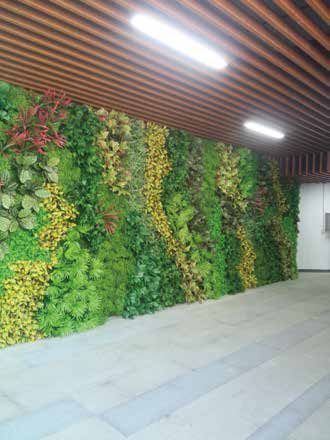
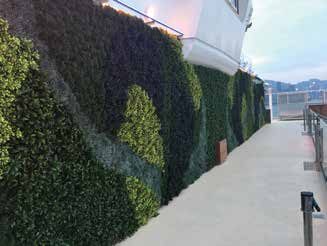
Real installations in this kind of setting — on-site photographs, no mock-ups.
Planning an artificial tree order for export?
Send the height, quantity, destination port, incoterm and the fire or UV grade your project requires. We will reply with carton dimensions and weights, unit pricing at your quantity and the full lead time — normally within 24 hours on business days.
Sister brand · GardenStone
Pair it with landscaping stone (GardenStone)
From the same supplier group — GardenStone supplies decorative pebbles, gravel and landscape stone that complete the same hotels, resorts, malls and Japanese gardens. One source for the whole landscape.
Explore GardenStone →